Our Cultural and Historic Roots
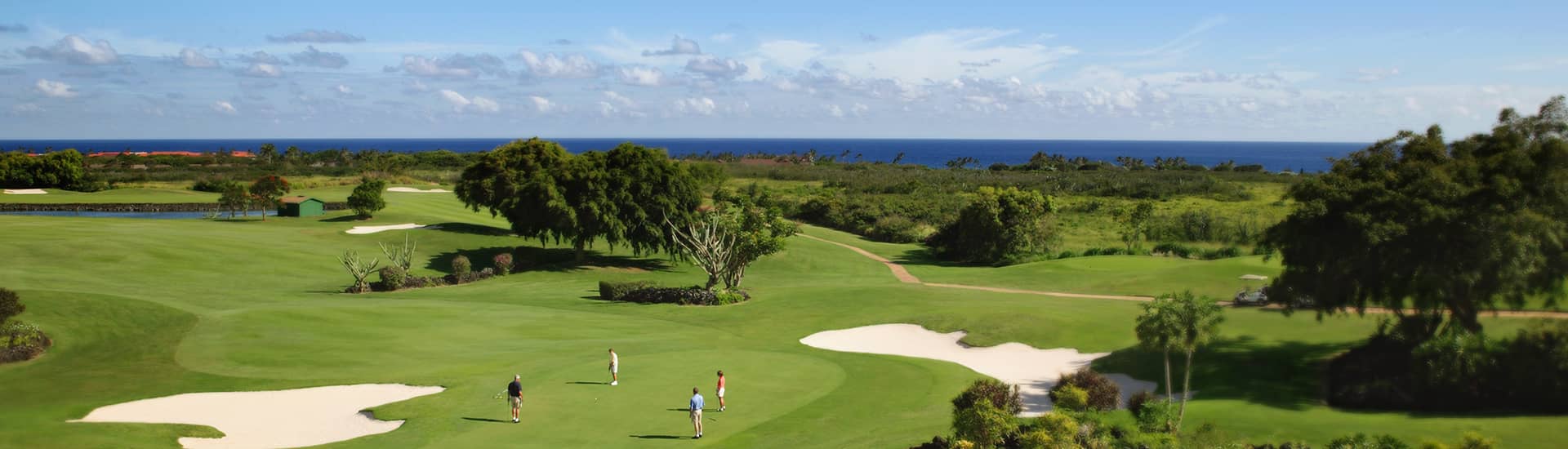
Kiahuna is located within the Poʻipū region, an area historically known for its vast agricultural systems and spiritual sites. As you navigate the fairways, you are walking through history.
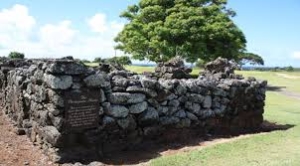
Sacred Spaces: The Heiau
Parking Lot:
:Hole #11
Ancient Agricultural Legacy
House Sites & Pōhaku: We have carefully preserved the remains of ancient Hawaiian house sites and agricultural stone walls (pōhaku).
Historical Insight: These structures represent the ahupuaʻa system—a traditional Hawaiian method of land division that ensured resources were shared from the mountains to the sea.
The Portuguese Irrigation House & Crypt
The 19th century brought a new era of agriculture to the islands. To the left of the 15th fairway, you can find the ruins of a home belonging to a Portuguese immigrant.
Master of the Water: This resident held the vital role of managing irrigation for the surrounding lands. He achieved this by diverting the Waikomo Stream, which still flows across the northwest corner of the course today.

The Family Crypt: Nearby, a quiet crypt marks the final resting place of this man and his family, standing as a testament to the diverse cultures that have called this land home.
A Sanctuary for Native Wildlife
Kiahuna is a "living" golf course. Our water hazards and lush vegetation serve as critical habitats for endangered and endemic species found nowhere else in the world.
The Hidden Inhabitants
Below the surface of the rocky outcrops surrounding the course lies a world rarely seen.
Kauaʻi Blind Cave Spider: Known locally as the "no-eyed big-eyed spider," this incredible creature is endemic only to the caves of the Kōloa district. It has evolved to live in total darkness, losing its eyes entirely. We take great care to protect the cave systems and lava tubes that run beneath our soil to ensure their survival. The entrance to the lava tube cave they live in can be found on hole #2.

The Birds of the Wetlands
You will likely spot several of Hawaii’s protected waterbirds during your play. Please observe them from a distance to protect their nesting grounds.
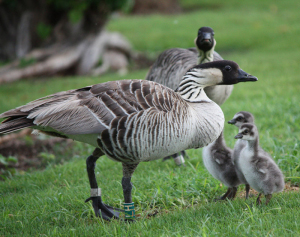
Nēnē (Hawaiian Goose): The world's rarest goose and Hawaii's state bird. Look for their distinctive black heads and furrowed neck feathers.
Please be mindful that nēnē are slow-moving and may need a moment to clear the way; a gentle, slow shooing is all that's needed to encourage them to move. Under no circumstances should you hit balls toward them. Do not offer them food, as maintaining their natural boundaries is essential for their safety. During nesting season (October - March), use caution around tall grassy areas. This is where they prefer to lay their eggs, and a camouflaged nest is very easy to miss.

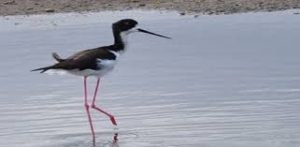
Aeʻo (Hawaiian Stilt): A slender wading bird with remarkably long pink legs and a black-and-white coat. You’ll often hear their sharp "keek-keek" call near the water.

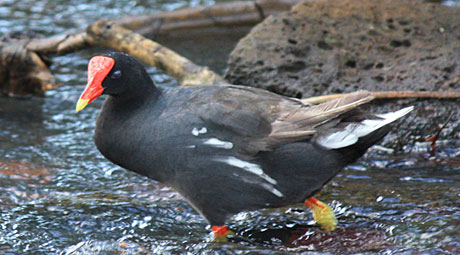
ʻAlae ʻUla (Hawaiian Moorhen): Distinguishable by the bright red shield on its forehead, this bird is a shy resident of our ponds and is deeply woven into Hawaiian mythology as the "keeper of fire."